
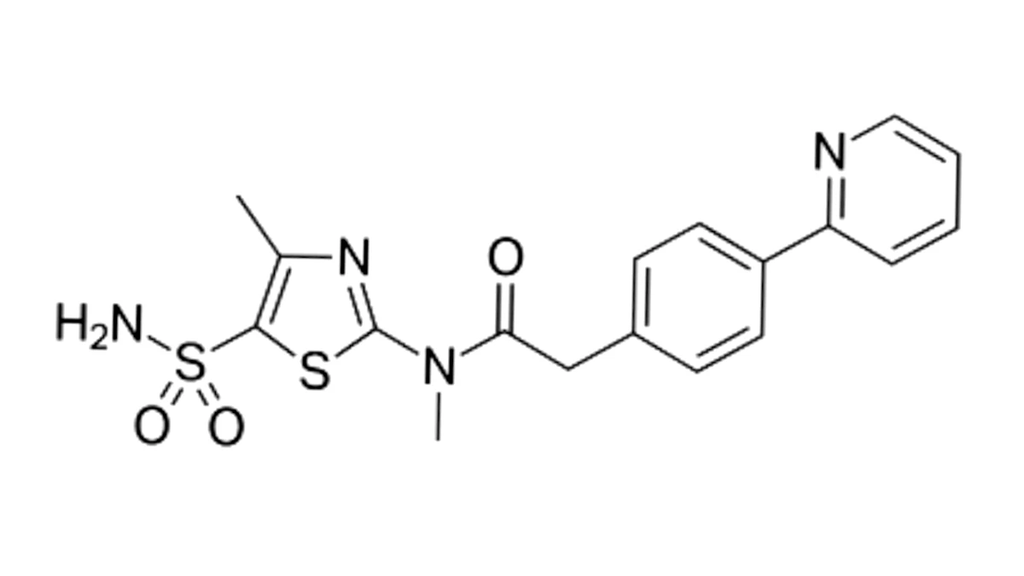
For most people with herpes simplex virus (HSV), the treatment playbook hasn’t changed much in decades: a course of acyclovir, valacyclovir or famciclovir, and the outbreak settles down. But for a small and vulnerable group of patients, those drugs simply stop working. On October 9, 2026, the U.S. Food and Drug Administration approved a new medicine built for exactly those patients: Hovilpri (pritelivir), an oral tablet that attacks the virus in a completely different way.
What the FDA approved
Hovilpri is approved for adults with weakened immune systems who have mucocutaneous HSV lesions — sores on the skin or mucous membranes such as the lips, nostrils, eyes or genitals — that have not responded to acyclovir, valacyclovir or famciclovir. The label covers refractory infections whether or not drug resistance has been formally documented.
The drug was originally developed by the German biotech AiCuris, which Japan’s Asahi Kasei acquired earlier in 2026. The FDA reviewed the application under priority review, a designation reserved for drugs that could offer a meaningful advance for serious conditions.
Why this matters
HSV-1 and HSV-2 are extremely common, and once someone is infected the virus stays in the body for life, lying dormant and reactivating from time to time. In healthy people, outbreaks are usually manageable.
The picture is very different for people whose immune systems are compromised — transplant recipients, people with blood cancers, people living with HIV, and those on powerful immune-suppressing medications. Their outbreaks can be more frequent, more severe and longer-lasting. Over time, some develop infections that no longer respond to the standard antivirals, either because the virus has become resistant or because the patient can’t tolerate the side effects. Until now, the fallback options for these patients have been limited and often harder on the body.
How pritelivir works
The familiar herpes drugs (acyclovir and its relatives) are nucleoside analogs: they need to be activated by a viral enzyme before they can interfere with viral DNA copying. When the virus mutates that enzyme, the drugs lose their punch.
Pritelivir belongs to a different class called helicase-primase inhibitors. Instead of relying on that activation step, it directly blocks the helicase-primase complex — the molecular machinery the virus uses to unwind and start copying its DNA. Because it hits a different target, it can still work against many HSV strains that have become resistant to the older drugs.
What the trial showed
Approval was based on Part C of the Phase 3 PRIOH-1 trial, a randomized, open-label study in 101 immunocompromised adults with refractory mucocutaneous HSV. Participants had a wide mix of underlying conditions, including blood cancers, stem-cell and solid-organ transplants, HIV and autoimmune diseases.
Patients received either pritelivir or whatever treatment their doctor chose from the available alternatives, for up to 28 days (extendable to 42 days if lesions were improving but not fully healed).
The headline result: by day 28, all lesions had healed in 63% of patients on Hovilpri, compared with 34% of those on other treatments — nearly double the rate of complete healing.
Safety and side effects
The most common side effect reported was headache. The FDA also flags that Hovilpri can interact with certain other medications — an important consideration for transplant and cancer patients, who often take many drugs at once. Prescribers will need to review the full prescribing information carefully before starting treatment.
What it doesn’t do
A few important caveats for anyone reading the headlines:
- It is not a cure. Hovilpri treats the lesions; it does not remove the virus from the body.
- It is not for routine cold sores or genital herpes. The approval is limited to immunocompromised adults whose lesions haven’t responded to standard antivirals. For most people with HSV, acyclovir, valacyclovir and famciclovir remain the standard of care.
- It’s not yet a suppression therapy. The approval covers treating active lesions, not preventing future outbreaks.
The bottom line
Hovilpri is the first approved HSV treatment in its drug class, and it fills a real gap: patients whose immune systems are weakened and whose herpes has outrun the standard medicines now have an oral option with clinical-trial evidence behind it. Industry reports suggest it could reach U.S. pharmacies before the end of 2026.
If you or someone you care for is immunocompromised and dealing with herpes sores that aren’t healing on standard treatment, it’s worth asking your infectious disease specialist or transplant team whether Hovilpri might be appropriate.
This post is for general information and isn’t medical advice. Talk to your healthcare provider about your own treatment.
Sources
- FDA: FDA Approves Drug to Treat Lesions Caused by Herpes Simplex Virus
- Drugs.com: Hovilpri FDA Approval History
- Drug Topics: FDA Approves New Drug for HSV Lesions in Adults
- Medical Dialogues: Asahi Kasei Wins USFDA Approval for Hovilpri
- ClinicalTrials.gov: PRIOH-1 (NCT03073967)
Pritelivir is an antiviral drug that inhibits the herpes simplex virus (HSV) by targeting the viral helicase-primase complex, preventing viral DNA replication.
Mechanism of Action
Pritelivir works by blocking the helicase-primase enzyme complex of HSV-1 and HSV-2, which is essential for unwinding and replicating viral DNA Wikipedia+2. Unlike traditional antivirals such as acyclovir or valacyclovir, which target viral DNA polymerase, pritelivir does not require activation by viral thymidine kinase, making it effective against HSV strains resistant to standard treatments
Wikipedia+1. By inhibiting this complex, pritelivir halts viral replication, reducing viral proliferation and spread in the body
clinicaltrials.eu+1.
Therapeutic Applications
Pritelivir is being developed primarily for treatment of HSV infections in immunocompromised patients, including those with organ transplants, HIV, or undergoing chemotherapy, where HSV infections can become severe or life-threatening Wikipedia+1. It is particularly valuable for acyclovir-resistant HSV infections, offering an alternative when standard nucleoside analogues fail
clinicaltrials.eu+1. The drug is also being studied for genital herpes (HSV-2) and oral herpes (HSV-1), including cold sores and mucocutaneous lesions
clinicaltrials.eu+1.
Administration and Clinical Status
Pritelivir is typically administered orally, often starting with a loading dose followed by daily maintenance doses in clinical trials clinicaltrials.eu. It is currently in Phase III clinical development, with the FDA granting fast track, breakthrough therapy, and priority review designations, highlighting its potential as a significant advancement in HSV treatment
Wikipedia. Early clinical results indicate potent antiviral activity, reduced viral shedding, and a favorable safety profile, especially in patients with drug-resistant HSV
nbinno.com.
Advantages Over Existing Treatments
- Effective against drug-resistant HSV due to its unique target
Wikipedia+1.
- Does not rely on viral thymidine kinase, avoiding common resistance mechanisms
National Cancer Institute.
- Longer plasma half-life compared to nucleoside analogues, potentially allowing less frequent dosing
- Reduces likelihood of cross-resistance with existing antivirals patsnap.com.
Pritelivir represents a novel approach to HSV therapy, offering hope for patients with severe, recurrent, or drug-resistant infections, particularly those with compromised immune systems