
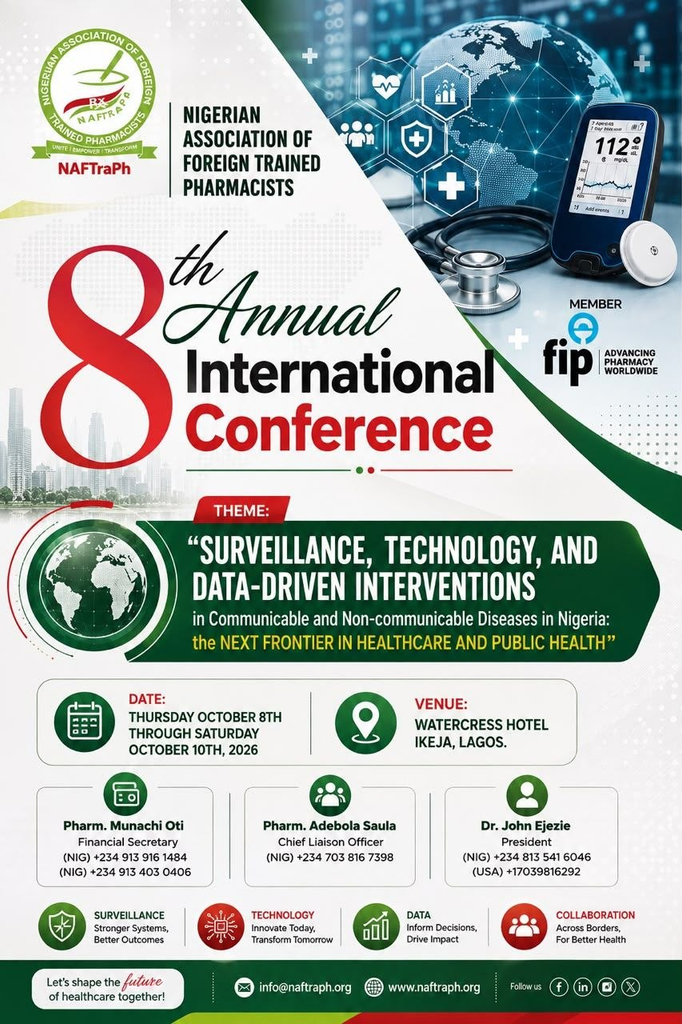
Why the conference badge you’ve been putting off might be the best professional decision you make this year
Picture a Tuesday afternoon. A patient’s regimen doesn’t quite add up, the guideline you learned in school has since been revised, and the colleague who might know the answer is three states away. You do your best with what you have, and you get through it.
Now imagine that same afternoon, except you spent three days last spring in a room with the people who wrote that guideline, argued about it, and explained what changed and why. You’d walk in knowing what to do.
That gap, between what you learned once and what the profession knows now, is the case for attending conferences.
The field won’t wait for you
Pharmacy moves fast. New drugs get approved, safety warnings appear, and guidelines are rewritten. Regulations, technology, and scope of practice keep shifting. Your degree got you licensed, but staying current is a job of its own.
Conferences are where much of that change surfaces first. You don’t just get the conclusion, you get the reasoning behind it, and hearing a researcher defend a recommendation sticks in a way a summary never does.
It’s not just about the CE credits (but yes, the CE credits)
Continuing education is a licensure requirement, and conferences let you earn a large chunk of your hours in one trip, often on specialized topics that are hard to find elsewhere. Check what your board accepts before you register, since rules vary by state and country.
But if credits are the only reason you go, you’re leaving most of the value on the table.
The hallway is where the magic happens
Ask anyone who attends regularly and they’ll tell you the best moments rarely happen in a session. They happen in the coffee line, at a poster, or over a mediocre lunch.
That five-minute chat with a pharmacist who solved the exact problem you’re stuck on can save you weeks. The people you meet become your sounding board for tough clinical questions, your source for job leads, and sometimes your future collaborators or employers. A professional network built in person tends to outlast one built through a screen.
See what else is possible
If you’ve spent years in one setting, it’s easy to assume that’s what pharmacy looks like. Community, hospital, ambulatory care, managed care, industry, academia, informatics: each is a different world, and conferences let you tour them in a weekend.
You’ll also see real programs in action: a stewardship initiative that changed prescribing habits, a workflow that cut errors, a service that expanded what pharmacists do in a clinic. Borrow what worked, skip what didn’t, and adapt it to your own practice. You might also spot a career path you didn’t know existed.
Get ahead of what’s coming
Automation, AI-assisted tools, telepharmacy, and expanded pharmacist roles are already reshaping daily work. Conference sessions and exhibit halls give you a hands-on look before your employer asks you to adopt something new. Being the person who already understands it puts you in a strong position.
The same goes for policy. Sessions on provider status, reimbursement, and legislation show you what’s being fought for and who’s doing the fighting. You can either react to the future of the profession or help shape it.
Grow beyond the clinical
Some of the most valuable sessions have nothing to do with drugs. Workshops on leadership, communication, research, and burnout build skills that don’t show up on a licensing exam. Presenting a poster or joining a panel builds credibility, and it gives you something real to point to on your CV.
And then there’s the reset
Practice can be relentless. Verify, counsel, call the prescriber, repeat. It’s easy to lose sight of why you chose this work.
Spending a few days surrounded by people who care about the same things you do is a reminder. You’ll likely come home with more than notes. You’ll come home with energy, and it shows in how you treat patients and colleagues afterward.
Making the trip worth it
Conferences cost time and money, so be deliberate:
- Pick sessions tied to goals, not just whatever sounds interesting
- Ask your employer about funding or paid time off. Many will say yes if you make the case
- Prepare a few questions and a couple of people you want to meet
- Share what you learned with your team afterward, so the value reaches beyond you
The bottom line
Every reason here leads to the same place: better care for the person standing at your counter or lying in a hospital bed. Attending a conference isn’t a perk or a vacation with a lanyard. It’s part of practicing well in a profession that never stands still.
More Reasons Why Pharmacists Should Attend Conferences
Pharmacy changes faster than almost any other healthcare profession. New drugs, revised guidelines, shifting regulations, and evolving technology mean that what you learned in school is only the starting point. Conferences are one of the most efficient ways to keep up.
1. Practice-changing knowledge, straight from the source
Conferences are where new clinical evidence, drug approvals, safety updates, and guideline changes are presented and debated, often before they reach your daily workflow. Hearing researchers and clinicians explain the reasoning behind a recommendation is very different from reading a summary of it.
2. Continuing education credits
Pharmacists must complete continuing education (CE) to maintain licensure, and requirements vary by state and country. Conferences let you earn a large share of those hours in one place, often in specialized topics that are hard to find elsewhere. Check your board’s rules on accepted providers and formats.
3. Networking that opens doors
The colleagues you meet at a conference become your sounding board for tough clinical questions, your source of job leads, and sometimes your future collaborators or employers. A five-minute hallway conversation can solve a problem you’ve been stuck on for weeks.
4. Exposure to different practice settings
Community, hospital, ambulatory care, managed care, industry, academia, and informatics all look different day to day. Conferences let you see how other pharmacists work, which can spark ideas for your own practice or reveal a career path you hadn’t considered.
5. Ideas you can bring back and use
Many sessions showcase real programs: a medication therapy management service, an antimicrobial stewardship initiative, a workflow that cut errors or wait times. You can borrow what worked, avoid what didn’t, and adapt it to your own pharmacy.
6. Staying ahead of technology and industry shifts
Automation, AI-assisted tools, telepharmacy, and expanded scope-of-practice roles are reshaping the profession. Conferences and their exhibit halls give you a hands-on look at emerging tools and trends before you’re asked to adopt them.
7. Advocacy and professional voice
Many conferences include policy updates and sessions on pharmacist provider status, reimbursement, and legislation. Understanding these issues, and meeting others working on them, helps you contribute to the advancement of the profession rather than just react to it.
8. Leadership and career development
Beyond clinical content, conferences offer workshops on management, communication, research, and burnout. Presenting a poster or speaking on a panel builds credibility and gives you a real line on your CV.
9. Renewed motivation
Daily practice can be repetitive and draining. Being surrounded by people who care about the same work reminds you why you chose this profession. That shift alone can make a difference in how you show up afterward.
10. Better patient care
Every reason above leads here. New knowledge, better ideas, and stronger professional connections translate into safer, more informed decisions for the patients who rely on you.
Making it worth the investment
Conferences cost time and money, so plan ahead. Pick sessions tied to specific goals, ask your employer about funding or paid time off, and prepare a few questions in advance. Afterward, share a short summary with your team so the value reaches beyond you.
Attending isn’t a perk. It’s part of practicing competently in a field that never stops moving.